| |
| |

|
|
Venue
|
|
| |
|
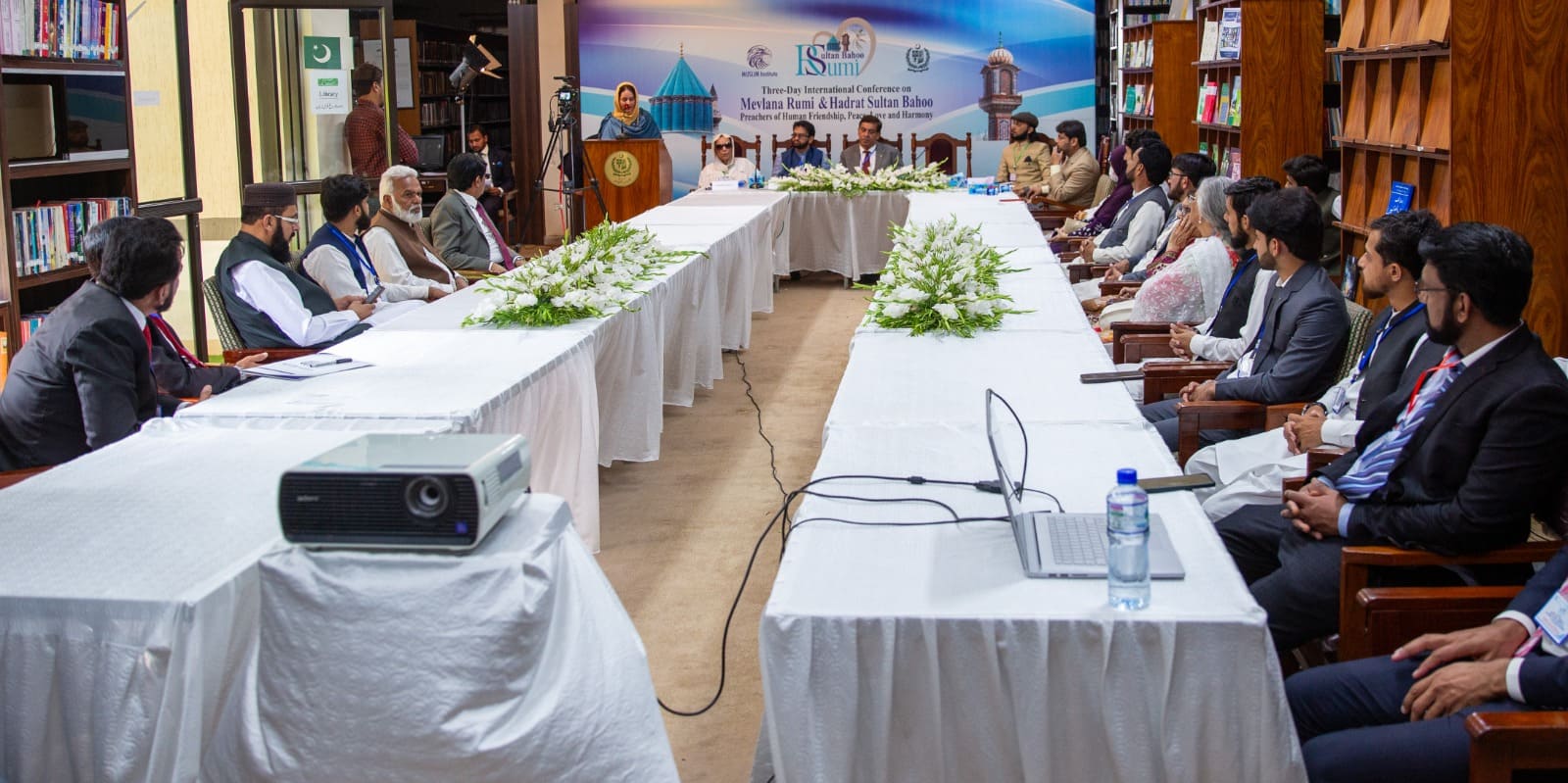
NLPD, Islamabad
|
| |
|
|
|
| |

|
|
Dates
|
|
| |
|
22,23,24 April, 2025
|
| |
|
|
|
|
|
| |
| |

|
|
Speakers
|
|
| |
|
> 150 Speakers
|
| |
|
|
|
| |

|
|
Sessions
|
|
| |
|
30 Sessions
|
| |
|
|
|
|
|
|
|
|
|
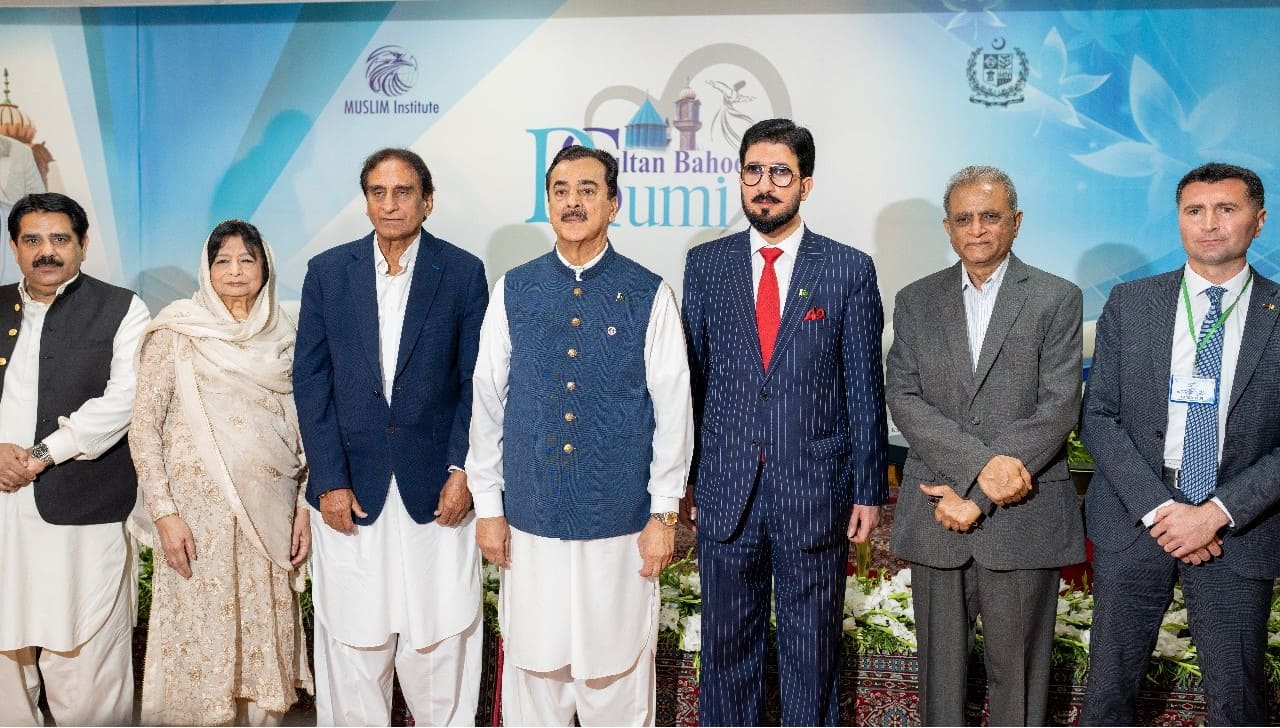
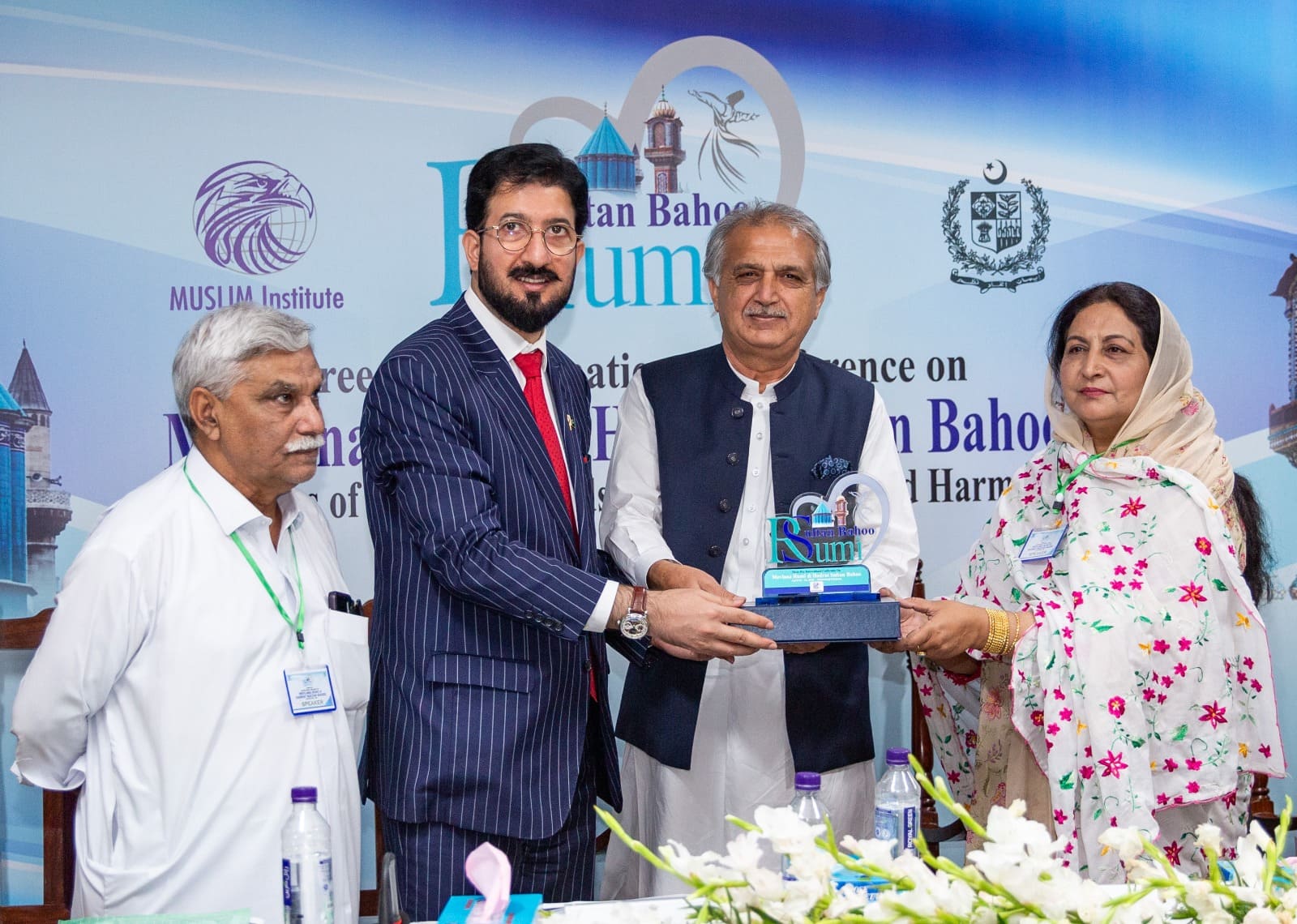
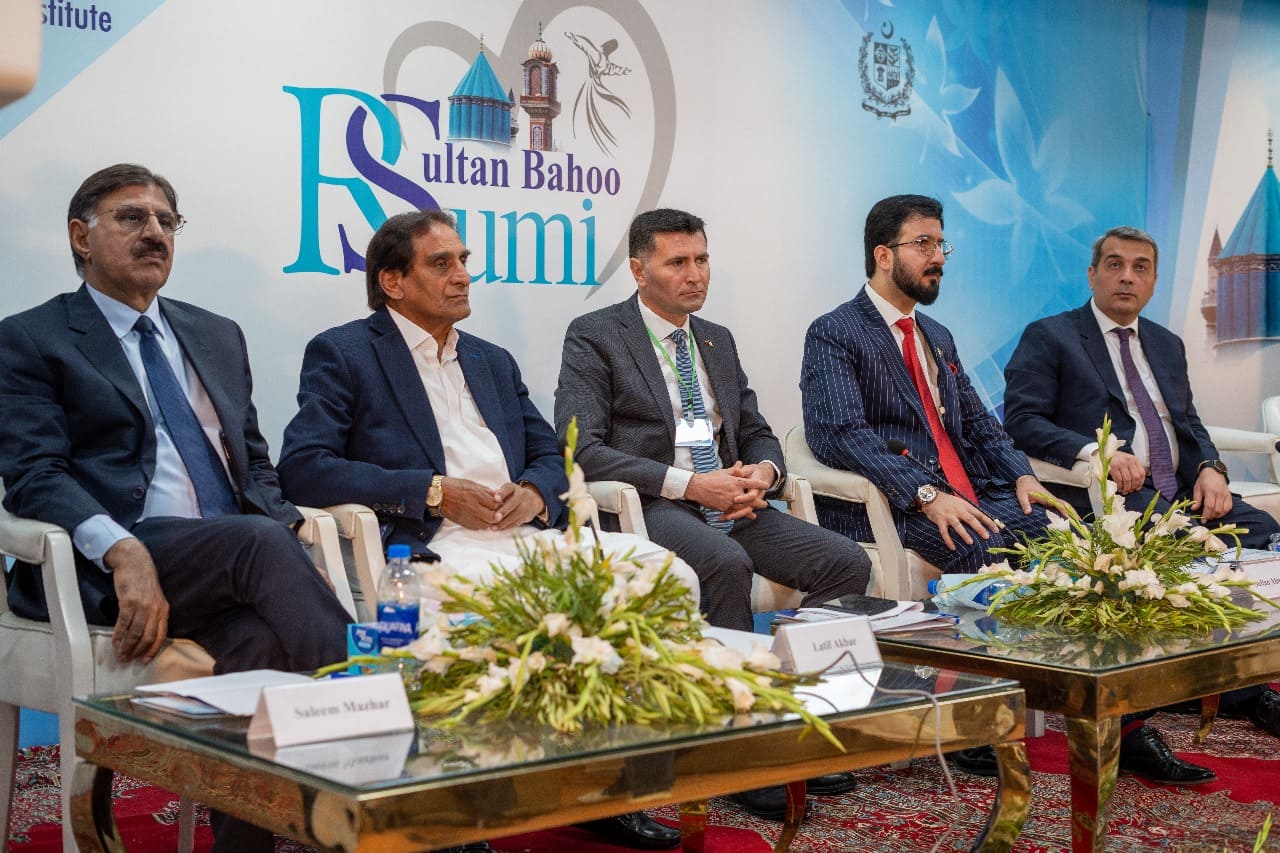
- H.E Syed Yousuf Raza Gillani
- Sahibzada Sultan Ahmed Ali
- Prof. Dr. Muhammad Saleem Mazhar
- H.E. Ch. Latif Akbar
|
- H.E. Irfan Neziroglu
- H.E. Mr. Khazar Farhadov
- Mr. Muhammad Afsar Rahbeen
- Ms. Romina Khurshid Alam
|
|
|
|
|
|
|
|
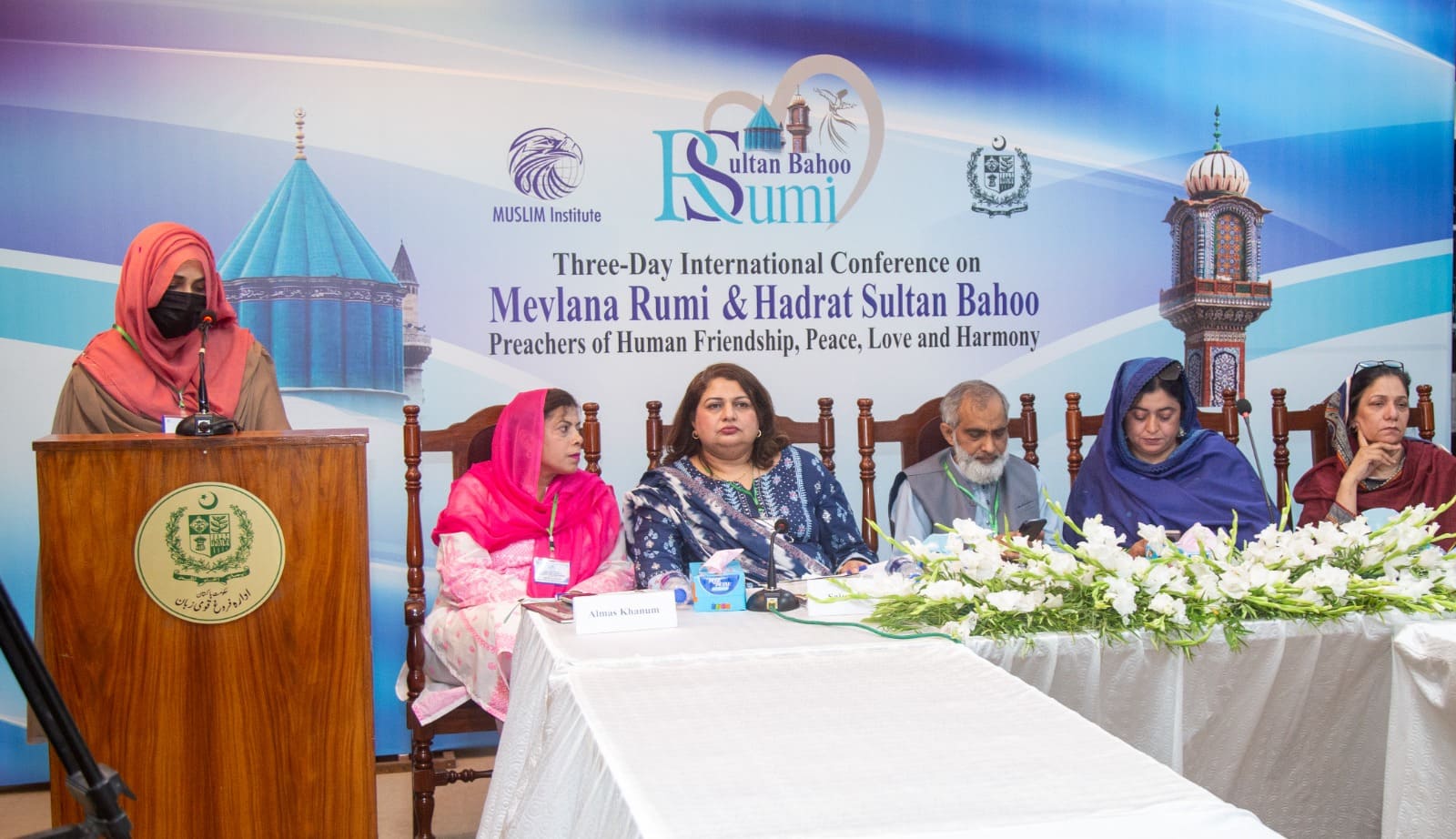
Mother Tongues & Tasawwuf: Urdu Poetry
|
- Dr. Almas Khanum
- Dr. Robina Yasmin
- Dr. Saima Irum
|
- Prof. Dr. Anthalzia
- Dr. Ramzan Tahir
- Dr. Humayun Abbas Shams
|
|
|
|
|
|
|
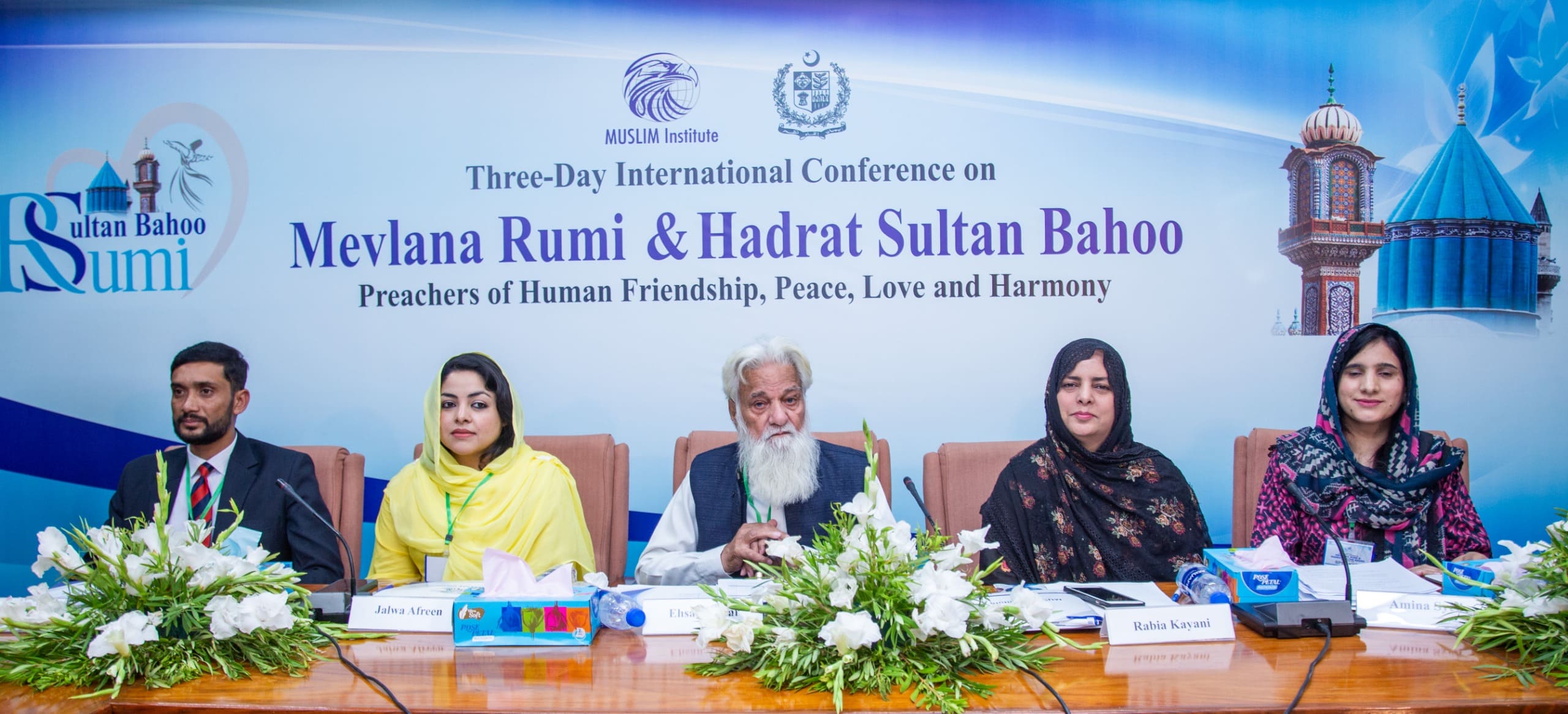
- Ms. Amina Syed
- Mr. Muhammad Azeem
- Dr. Rabia Kayani
|
- Dr. Jalwa Afreen
- Prof. Dr. M. Akhtar Ali
- Prof. Dr. Ehsan Akbar
|
|
|
|
|
|
|
|
Mother Tongues & Tasawwuf: Mevlana Rumi, Hadrat Sultan Bahoo & Urdu Literature
|
- Mr. Muhammad Mustahsan Raza Jami
- Mr. Muhammad Zeeshan Danish
- Dr. Tehseen Bibi
|
- Dr. Muhammad Shahid Habib
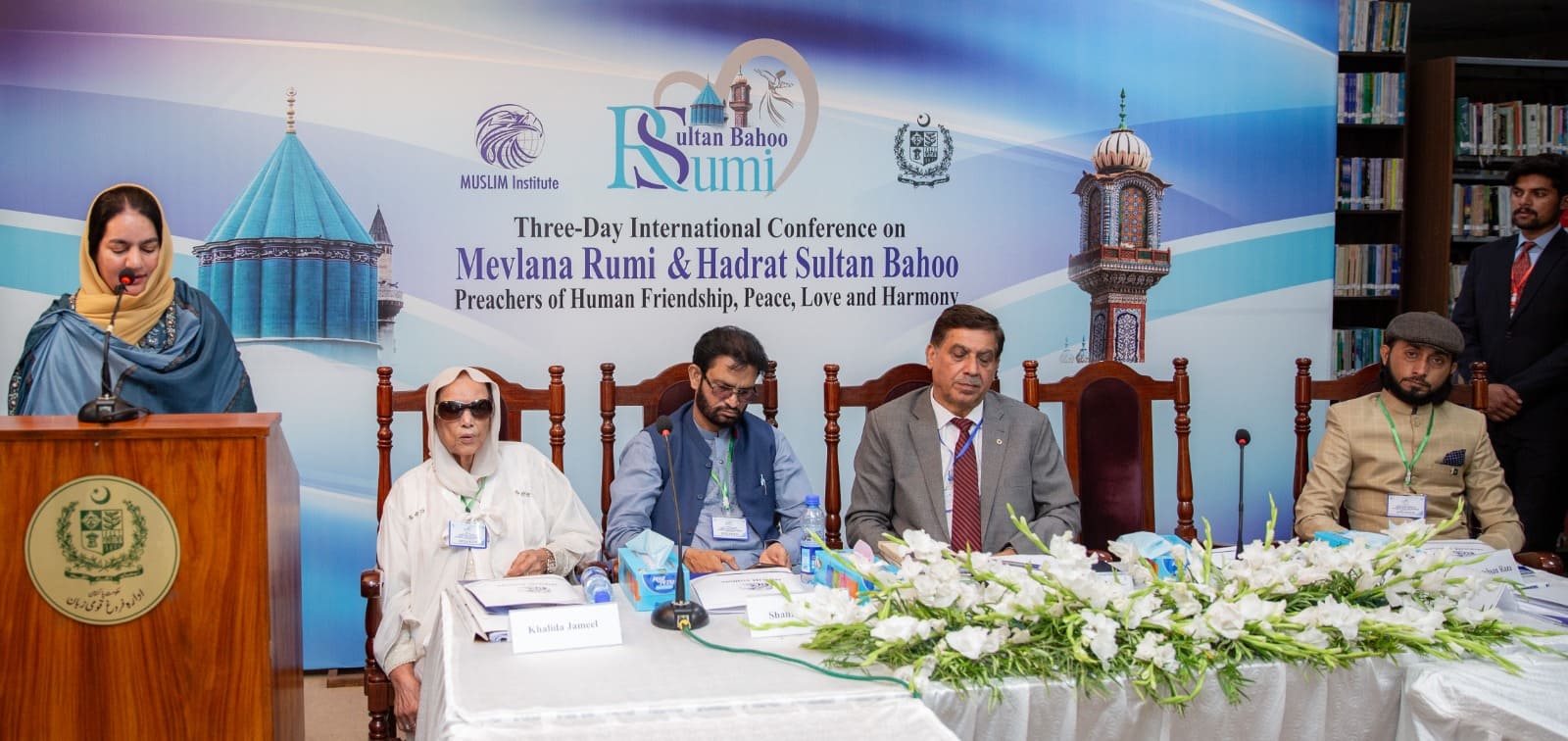
- Dr Khalida Jameel
- Dr. Noshad Ali Khan
|
|
|
|
|
|
|
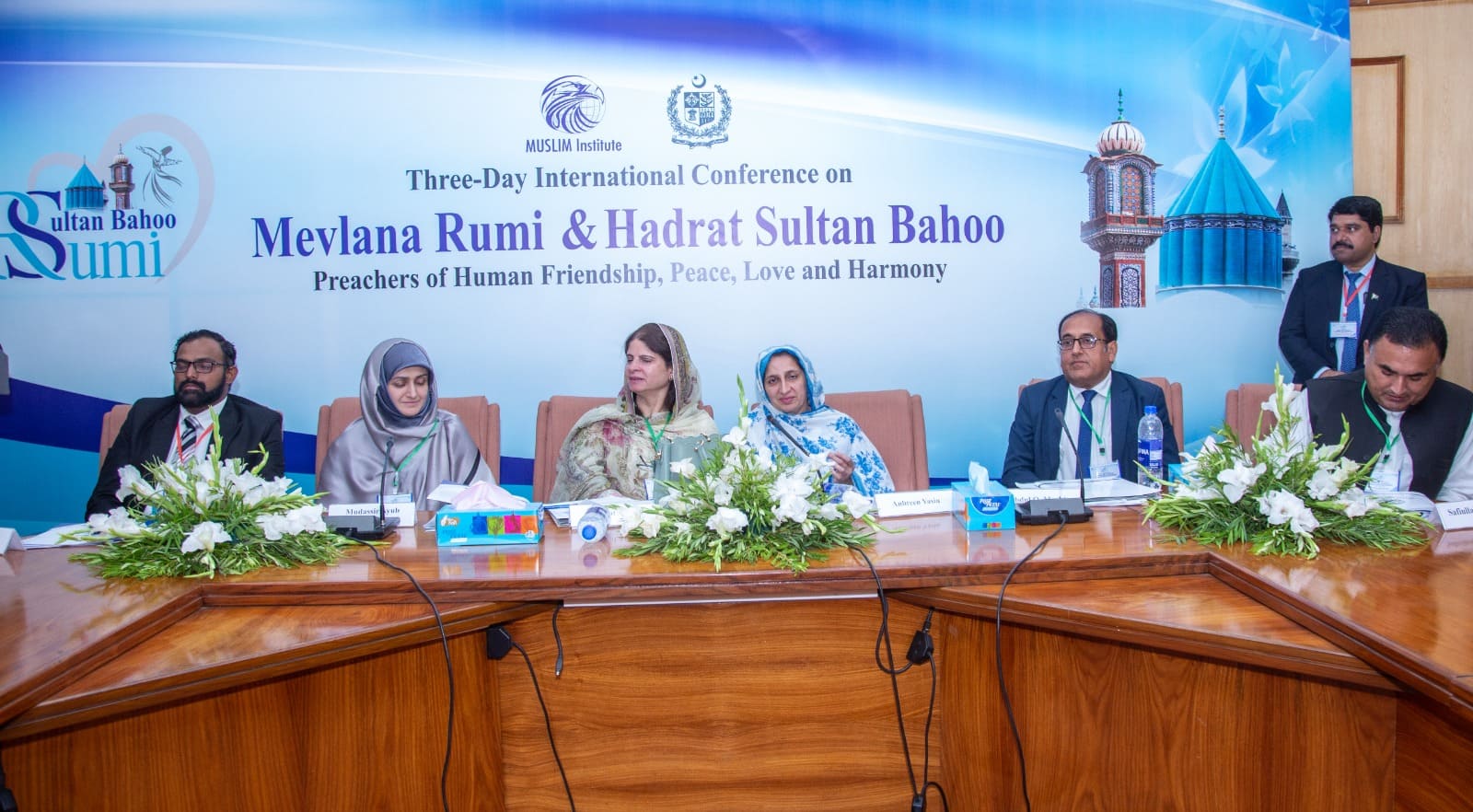
- Mr. Mudassir Ayub
- Mr. Laeeq Ahmed
- Dr. Anbreen Yasin Khan
|
- Dr. Safi Ullah Khan Marwat
- Dr. Abdul Qadir Mushtaq
- Prof. Dr. Sabahat Akram
|
|
|
|
|
|
|
|
Mother Tongues & Sufism: Impact of Mathnawi on Pashto Literature
|
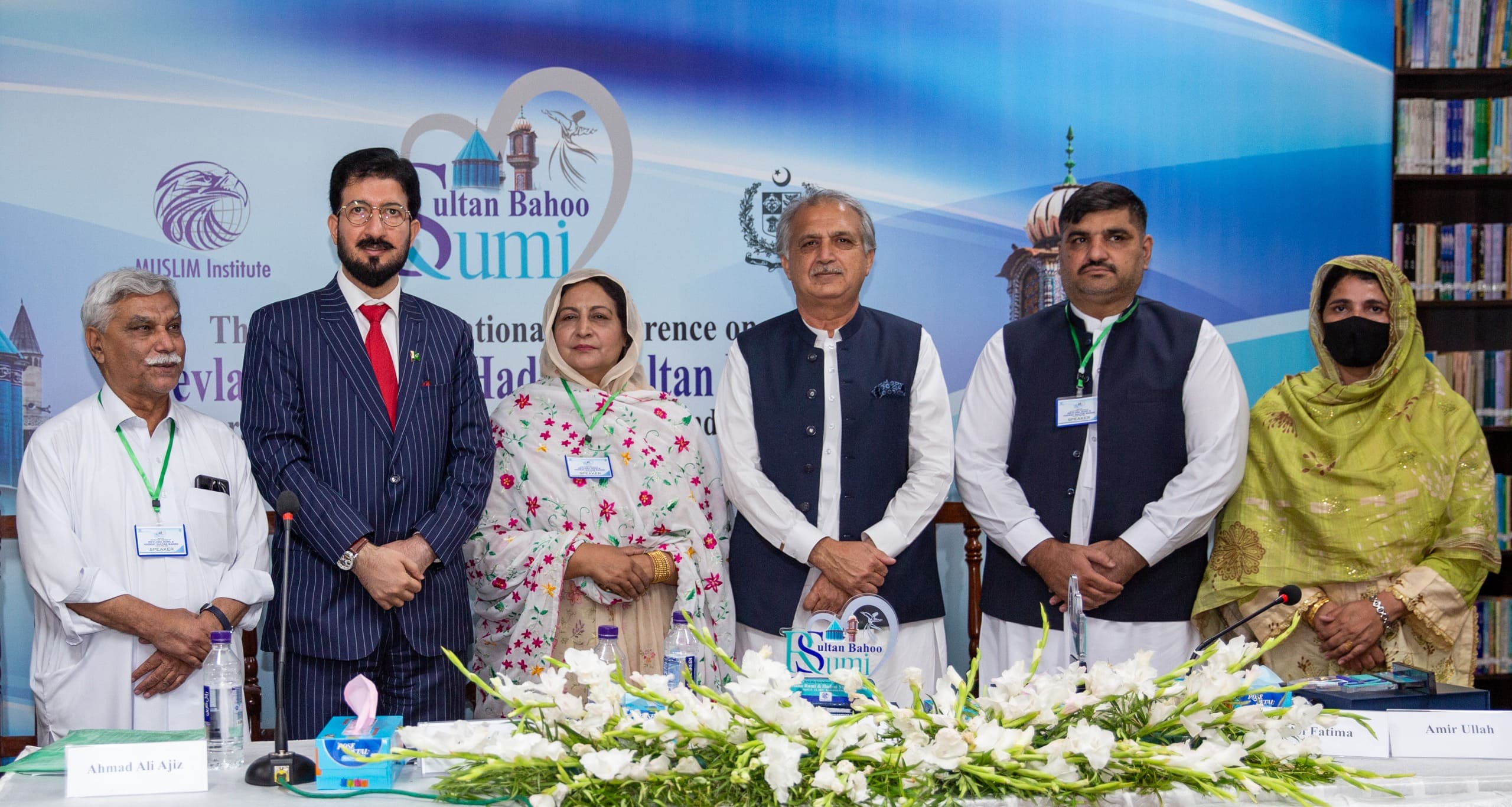
- Ms. Bibi Fatima
- Dr. Amir Ullah
- Dr. Waqar Khattak
|
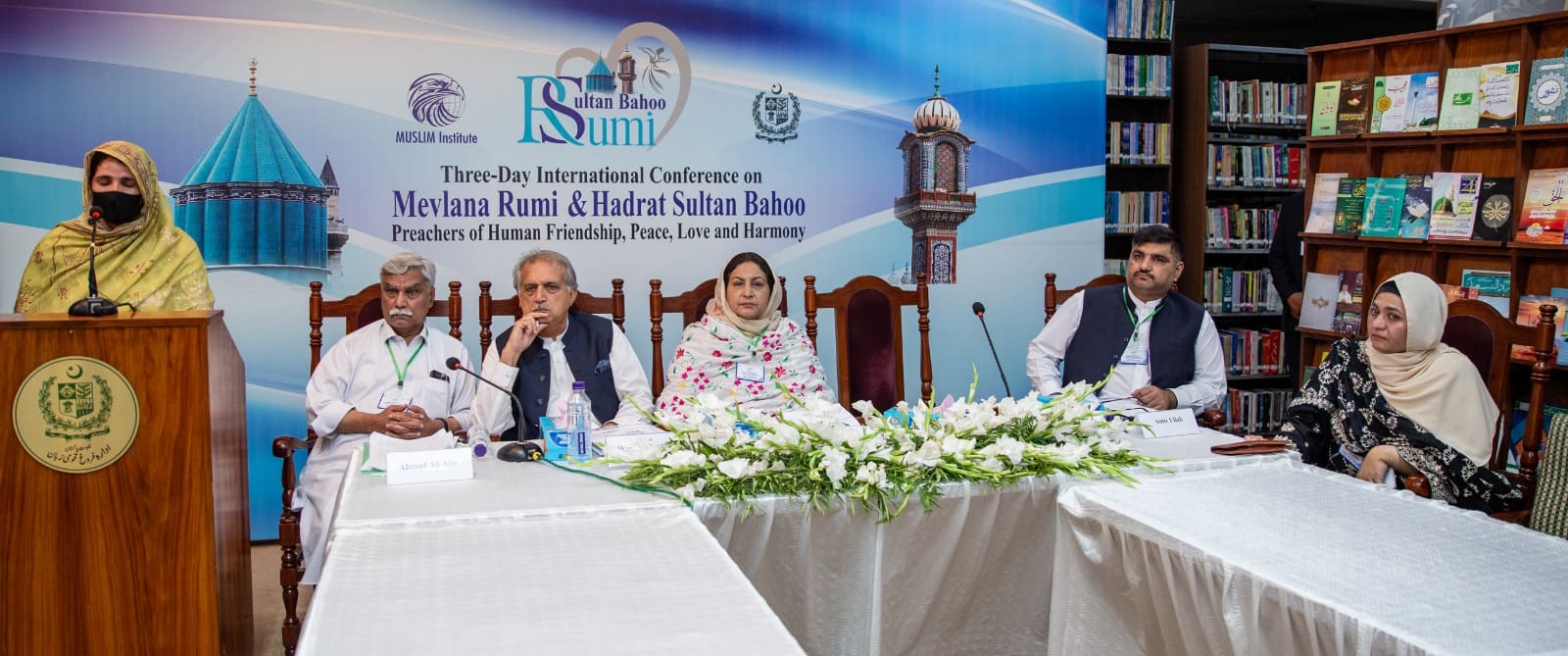
- Dr. Ahmad Ali Ajiz
- Dr. Farkhanda Hayat
- Dr. Ali Muhammad Khan
|
|
|
|
|
|
|
|
Philosophical Perspective
|
- Mian Abid Ali Maturidi
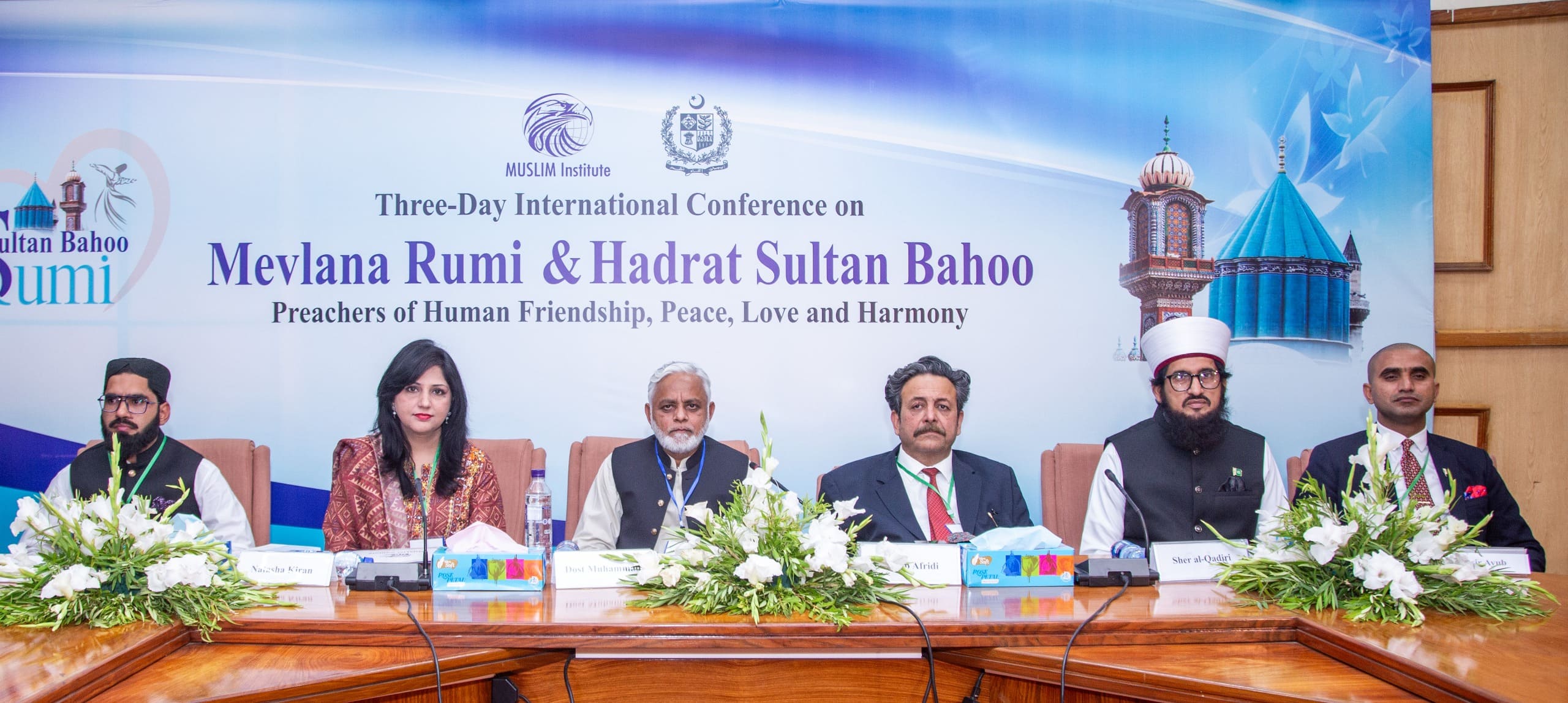
- Muhammad Sher al-Qadiri
- Dr. Natasha Kiran
|
- Dr. Shoaib Afridi
- Prof. Dr. M. Rafiq ul Islam
- Prof. Dr. Dost Muhammad Khan
|
|
|
|
|
|
|
|
A summary of the remarks shared by the speakers is following:
|
|
|
|
|
|
|
T he message of Hadhrat Mevlana Rumi and Hadhrat Sultan Bahoo transcends all boundaries of race, color, language, creed and geography. Their teachings embody the true essence of humanity and guide individuals toward the inner nobility bestowed upon them by Allah since the dawn of creation. Reflecting on MevlanaRumi, more than 800 years have passed,
|
|
|
yet his teachings remain as relevant and impactful today as they were centuries ago.
Similarly, over 350 years have passed since the time of Hadhrat Sultan Bahoo, his spiritual guidance continues to hold profound significance. For every seeker of divine truth, he served as a spiritual guide, leading genuine aspirants toward their ultimate spiritual destination.
|
|
|
|
"Talib bīyā, talib bīyā, talib bīyā, tā rasānam rūz-e-avval bāKhudā"
"Come, O seeker, come, O seeker, come, so that I may reunite you with God on the very first day."
|
|
|
|
|
|
|
|
|
Mevlana Rumi even eight centuries ago, called upon humanity with the same spirit of spiritual invitation. He addresses the longing souls:
|
| |
|
|
|
|
|
“O thirsty ones, today I shall serve you water — I shall turn this barren dust into Paradise, into the fountain of Kawthar.”
|
|
|
|
|
|
The philosophy of the Sufis promotes harmony among all human beings. Whether it is Mevlana Rumi or Hadhrat Sultan Bahoo, their teachings emphasize unity through love and convey a universal message of human compassion. Rumi once said, “It is no easy task to become a candle, for to give light, one must first burn oneself.” Both Mevlana Rumi and Hadhrat Sultan Bahoo firmly believed that all of creation is governed by a single essence and that essence is none other than the Divine.
The term Tasawwuf (Sufism) embodies vastness, inclusivity, and spiritual completeness. It signifies turning away from all but Creator of the universe, redirecting one’s focus inward, disciplining the ego, remaining untainted by worldly distractions, and purifying the soul. A Sufi lives a deeply spiritual life while remaining fully present within the material world.
|
|
|
Urdu literature played a pivotal role in articulating the mystical states of Sufism, giving voice to spiritual emotions and shaping them into profound expressions. Through the medium of Urdu, values such as humanism, moral integrity, and spiritual insight were widely disseminated, largely due to the contributions of Sufi poets and thinkers.
One luminous figure in this tradition is Mazhar Jan-e-Janaan, who illuminated countless hearts through his spiritual wisdom, inner purification, and love for the Divine. His poetry bears a distinctly Sufi character. He led a literary movement against ambiguous poetic expressions, advocating for clarity and refinement in verse, thereby replacing superficiality in literature with depth, purpose, and meaning.
|
|
|
|
|
|
|
|
|
|
Another example is Khwaja Mir Dard whose poetry is full with Sufi elements. Because Dard was not only a Sufi poet but he was practically a Sufi. Classical Urdu poets also maintained the themes of Sufism. Among them are Amir Khusro, Wali Deccani, Mir Taqi Mir, Ghalib and then this tradition reaches Iqbal. In classical Urdu poetry, Sufism was not merely a literary theme, it was a living reality, seamlessly woven into the language and the everyday lives of the people. Sufis embraced Urdu, making it both accessible and spiritually resonant for the broader masses.
Despite the profound impact of Sultan Bahoo’s Punjabi verses, many of his other works have not been widely studied across the Muslim world. Nevertheless, members of Sultan Bahoo’s spiritual lineage have diligently preserved and transmitted his teachings across generations.
|
| |
|
|
|
|
|
|
Hadhrat Sultan Bahoo regarded Hazrat Sheikh Abdul QadirJilani as his spiritual center and foundational guide. He emphasized that a true spiritual guide (Murshid e Kamil) is one who leads the seeker along the path of Shariah. For Sultan Bahoo, self-realization (ma'rifat al-nafs) was the essential gateway to attaining Divine knowledge (ma'rifat al-Haqq). His Punjabi poetry calls upon individuals to explore the depths of their inner selves, confront and understand their ego, and purify their souls in order to get closer to the Divine.
"Hoo" (God) is both within and without — the soul remains in constant companionship with "Hoo". It is the seal of Divine love, burning within the lover at every moment.
|
| |
|
|
|
|
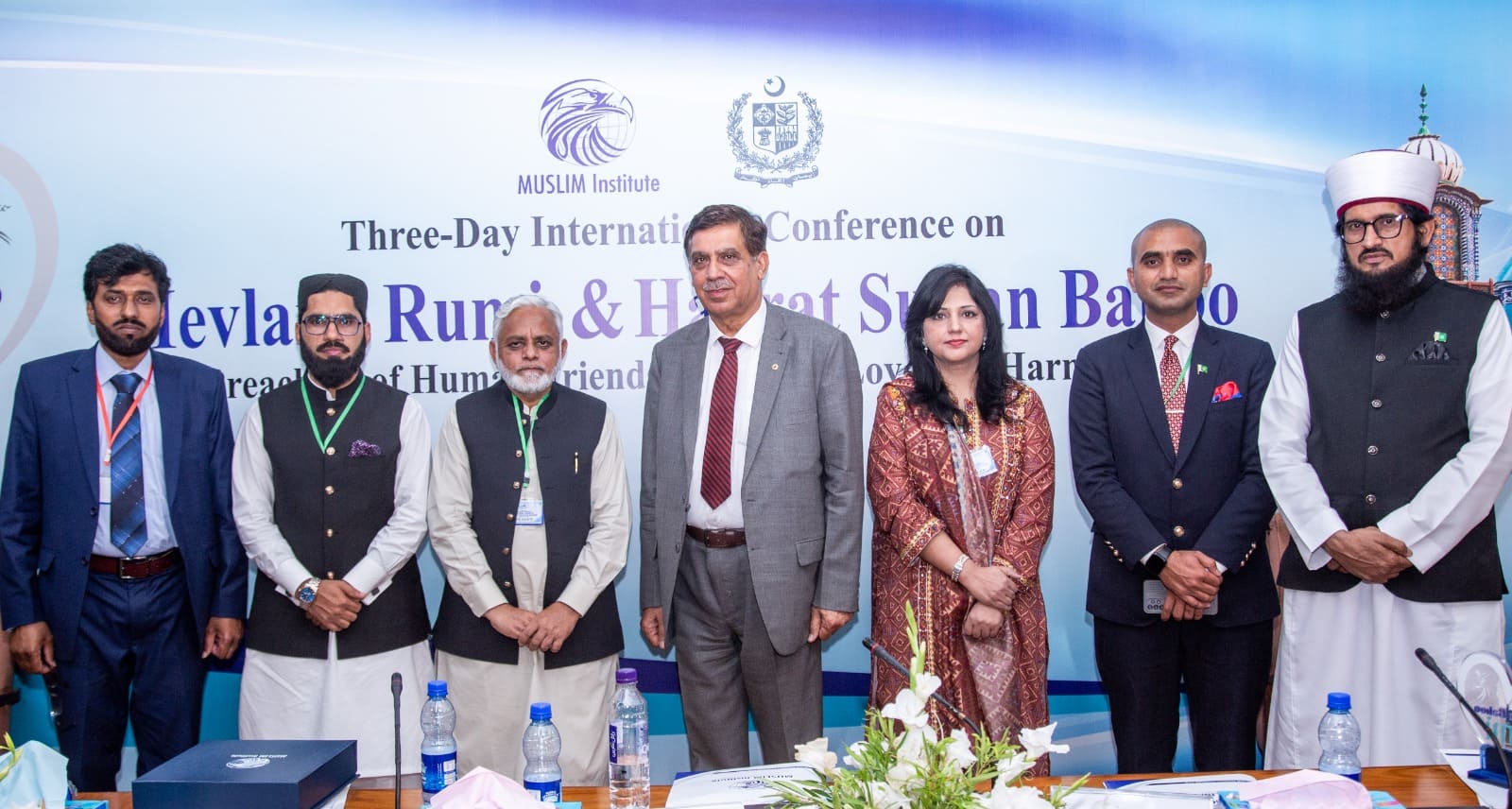
|
|
In the present era, the family of Hadhrat Sultan Bahoo has continued to play vital role in knowledge, spirituality, public service, and moral education. His works have been translated and interpreted in multiple languages, and the traditional shrine system has been adapted to modern needs. Through academic seminars, seminaries, research institutions, libraries, and training centers, the spiritual and intellectual thirst of the people is being met. His shrine remains an active spiritual center, where gatherings of remembrance and scholarly dialogue continue. His family functions as a living institution, committed to guiding today's youth and society toward spiritual awakening.
The role of women in Sufism is equally significant and worthy of greater scholarly attention, which has historically been lacking. Sufism transcends biological distinctions, granting equal spiritual dignity and access to both men and women.Hadhrat Sultan Bahoo rooted his teachings in the spiritual legacy of Hadhrat Fatima Zahra (RA), whom he regarded as the gateway to the highest realm of Sufism—Sultan al-Faqr (Epitome of Spiritual Excellence). Sufi history is rich with women who not only held significant roles but also helped shape the spiritual tradition. Among them are Hazrat Rabia Basri and Bibi Mai Rasti, who served as role model for women.
Wearing the Dalq-e-Faqr (the symbolic cloak of spiritual poverty) is not about outward appearance. Its essence lies not in display or prestige, but in total immersion in the state of Faqr (spiritual excellence) and Fana fi Allah (Annihilation in unity of Allah). When spiritual symbols are adopted for show, they lose their meaning. But when one centers their life entirely around God and seeks only His pleasure, the Divine light (Noor-e-Ilahi) begins to shine from the heart.
|
|
Mevlana Rumi presented the fundamental beliefs of Islam and all the issues of Sufism in a highly engaging manner that deeply impact the reader. This is why his thoughts have influenced many languages around the world, and the Pashto language has not remained untouched by this influence. Although these effects are prominently visible in Pashto poetry, a review of Pashto prose also clearly reveals glimpses of Rumi’s ideas.
The Persian language, which is considered having great impact on Pashtun culture, has always had an influence on Pashto prose. Since the works of great Persian poets like Saadi, Hafiz, and Jami were part of the Dars-e-Nizami curriculum, Persian was a familiar language for Pashto writers. The early roots of Pashto prose trace back to the 3rd century CE with Muhammad Hashim’s book Da Sro au Warbashmi, but the real influence begins with Bayazid Ansari’s Khair-ul-Bayan. Khushal Khan Khattak also made significant contributions to Pashto prose; his works Dastarnama and Fazlnama bear testimony to the fact that he was not just a poet but also a great prose writer. Both his prose and poetry are rich with mystical ideas. Even in modern times, Rumi’s influence on Pashto prose remains evident. The poetry of Rehman Baba is deeply infused with Sufi themes, and it profoundly touches the reader’s heart. His verses carry a unique aesthetic that leaves a lasting impression on the reader’s mind.
The concept of being (tasawwur-e-wujūd) is a significant and complex subject in philosophy, theology (ʿilm al-kalām), and Sufism. Philosophers and theological schools of thought in every era have engaged in profound discussions on this topic.
|
|
|
|
|
|
|
|
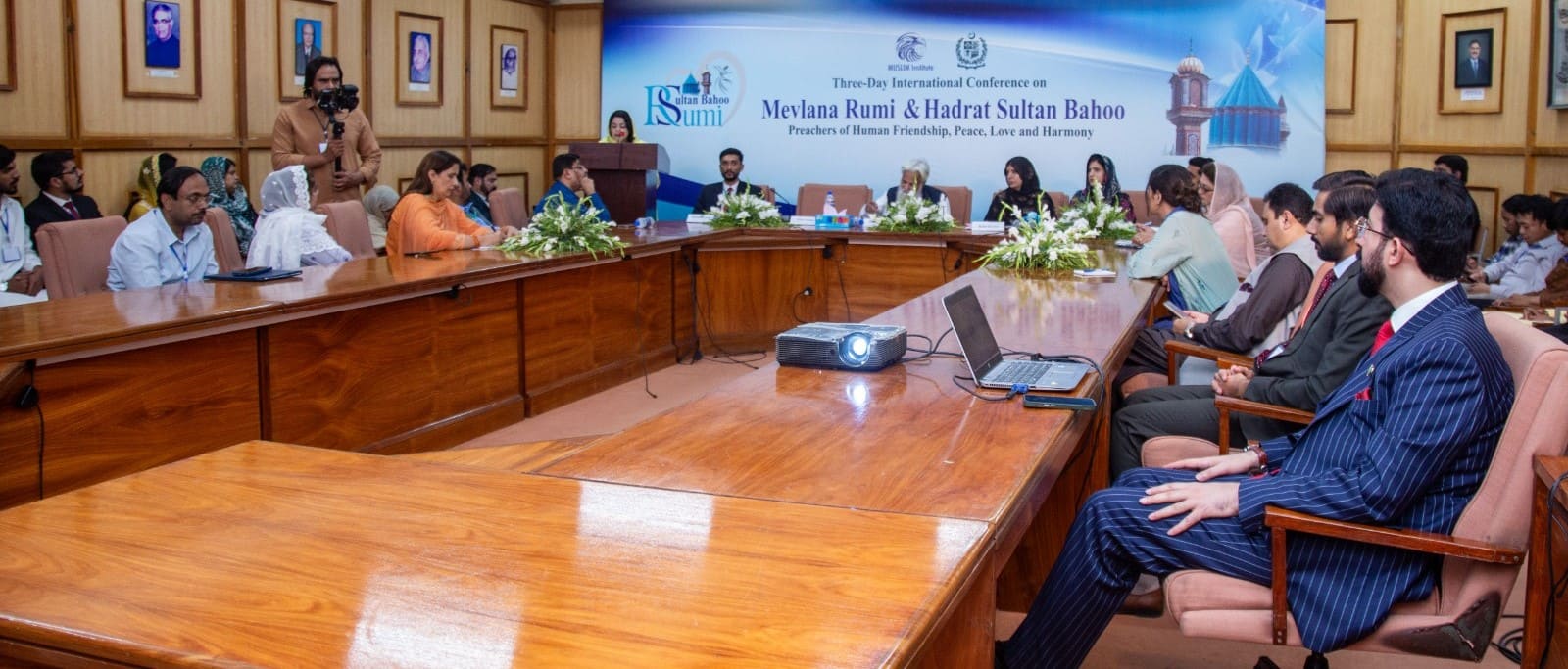
|
|
|
Muslim philosophers and theologians have presented both rational and scriptural arguments to prove the existence of Allah. For example, according to the Ashʿarites, the existence of Allah is intrinsic and necessary, while the existence of all other entities is contingent and created—dependent on the will and creation of Allah Almighty. In the Maturidi school of thought, the existence of Allah is eternal, everlasting, and free from any kind of dependency, whereas the existence of creation is temporal and contingent upon God's will. The leading theologians explained the concept of being through rational and scriptural reasoning, while the Sufis experienced it through spiritual insight, mystical observation, and inner realization in the light of the Exalted Qur'an and Sunnah. Through this, they concluded not only that Allah exists, but that He is truly present. Sultan Bahoo's concept of being holds profound significance and depth when viewed through the lens of Sufi thought, spiritual metaphysics, and Islamic theology. His conception of God surpasses the common philosophical understandings of the Divine. According to him, the Divine Essence (Dhāt al-Ḥaqq) is the Absolute Reality, pervading every particle of the universe. For Sultan Bahoo, the ultimate purpose of the cosmos is that the entire creation be imbued with the color of Absolute Reality, such that there remains no trace of anything other than Allah Almighty anywhere in existence.
|
|
In medieval South Asia, the relationship between the state and Sufism was marked by great diversity and complexity. One can find all forms of interaction — detachment, cooperation, and even opposition.
There were a total of five recorded meetings between Hadrat Sultan Bahoo and the Mughal emperor Aurangzeb Alamgir. In his writings, Sultan Bahoo referred to Aurangzeb by various titles such as Muhiuddin (Reviver of the Faith), Rasikh al-Din ( Firm in Religion), King of Islam, Ubaydullah (Servant of God). During their final meeting in Delhi, Emperor Aurangzeb requested Hadrat Sultan Bahoo for spiritual blessings and guidance. In response, Sultan Bahoo extracted a solemn pledge from the emperor: that neither he nor any of his descendants would ever come to Sultan Bahoo or his descendants, nor attempt to offer royal gifts or rewards. Following this pledge, a book dealing with the themes of recognition of Allah (irfan) and spiritual authority (tasarruf) was commissioned by the royal scribes on Sultan Bahoo's behalf. It was titled “Aurang Shahi”, named after Emperor Aurangzeb Alamgir himself. These meetings and the special spiritual favor of Hazrat Sultan Bahoo, which is reflected in the form of the book Aurang Shahi, had a profound impact on the personality of Aurangzeb Alamgir.
|
|
|
|
|
|
|
|
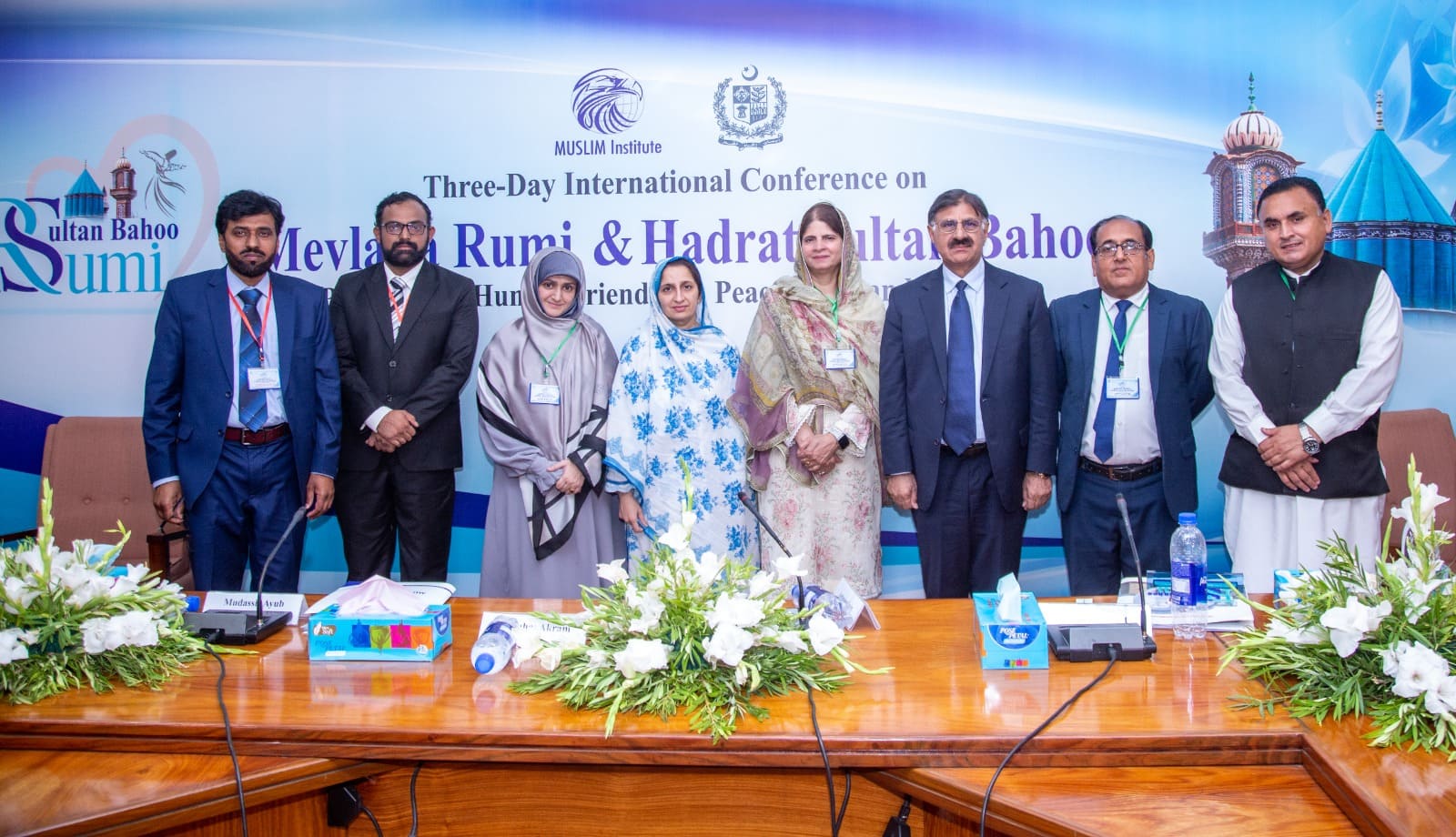
|
|
Sultan Bahoo and Mevlana Rumi spoke powerfully about instilling moral values in society, particularly among the youth. The first step toward becoming an ideal human being, they taught, is the cultivation of good character. In earlier times, society itself played a vital role in moral development. Today, it is necessary to incorporate formal ethics education in schools, colleges, and universities. The moral guidance advocated by Sufis like Mevlana Rumi and Sultan Bahoo is critically important for today’s younger generation.
|
| |
|
|
|
|
|
© 2025. All rights reserved.
|
|
|
|
|
|
|
|