View online - Download PDF
facebook
twitter
linkedin
youtube
 
picture
A Seminar on
Khojaly Genocide
Remembering the Tragedy
and Fighting for Justice
Organized By
MUSLIM Institute
February 26, 2025
 
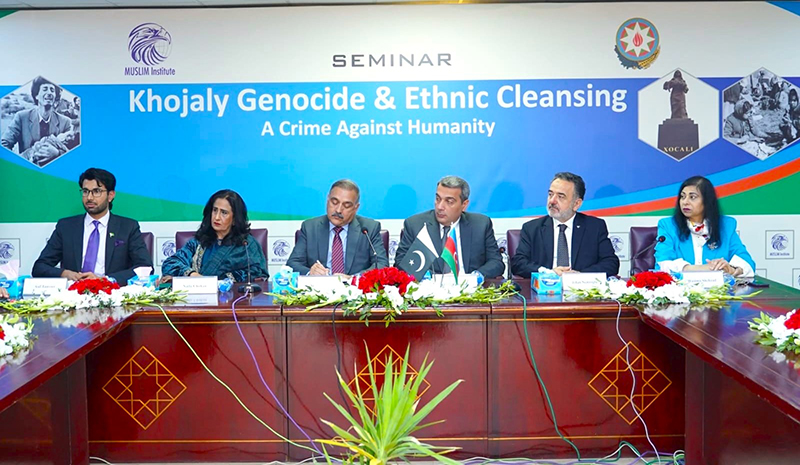
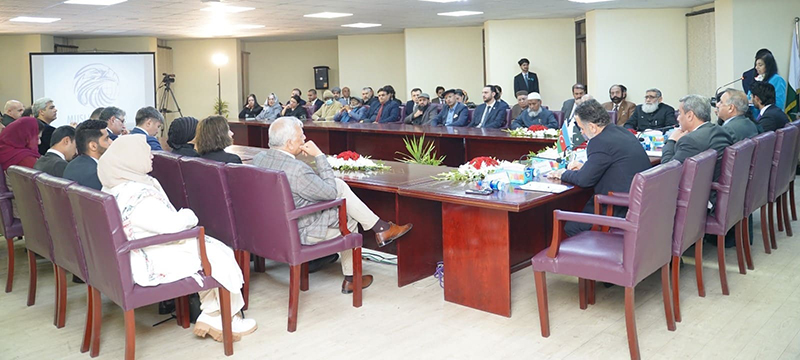
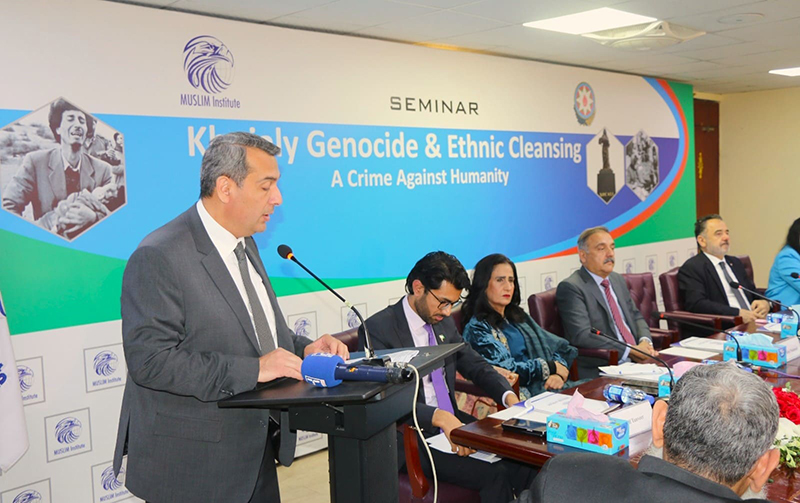
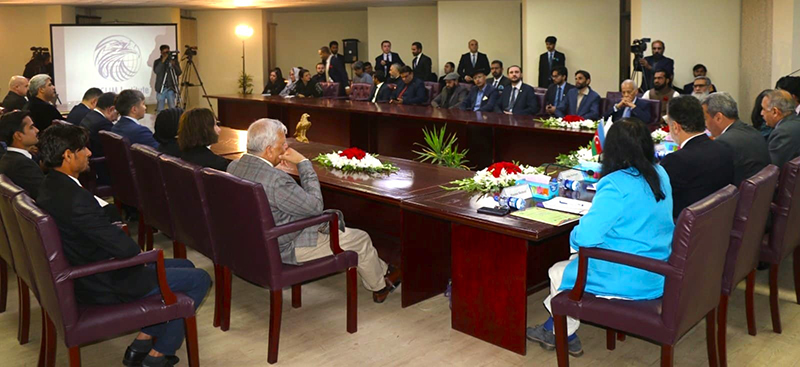
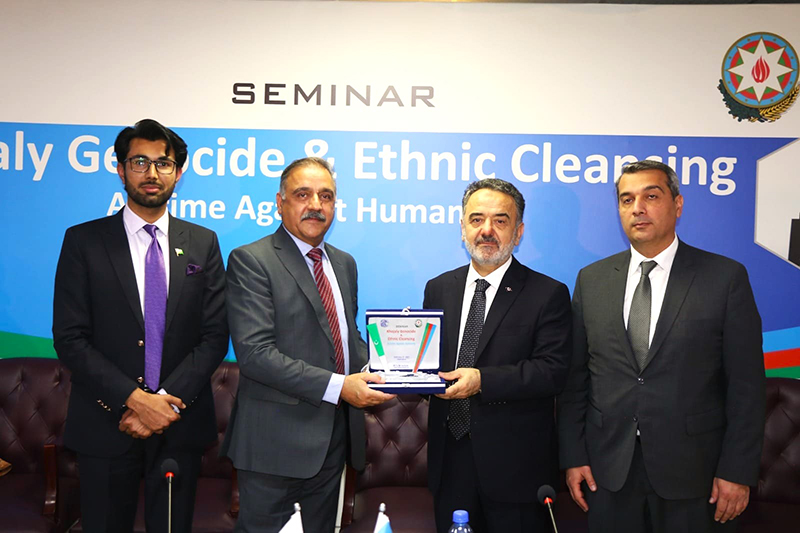
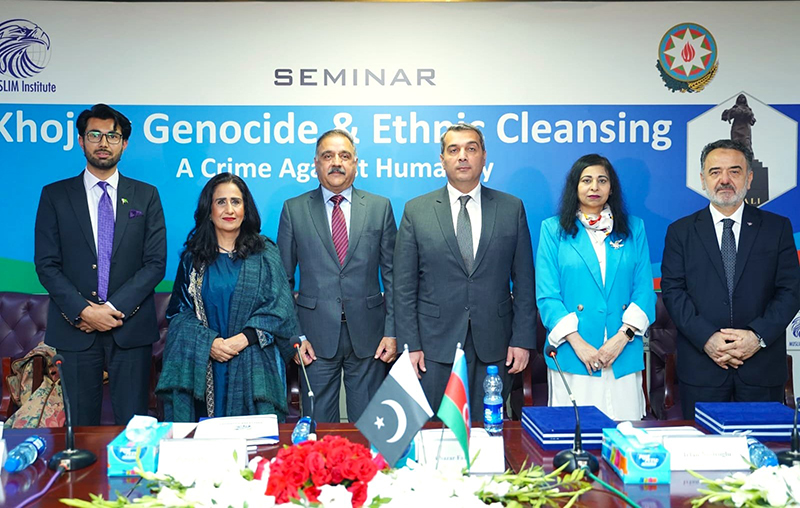
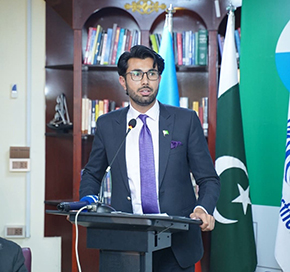
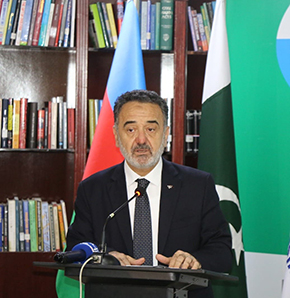
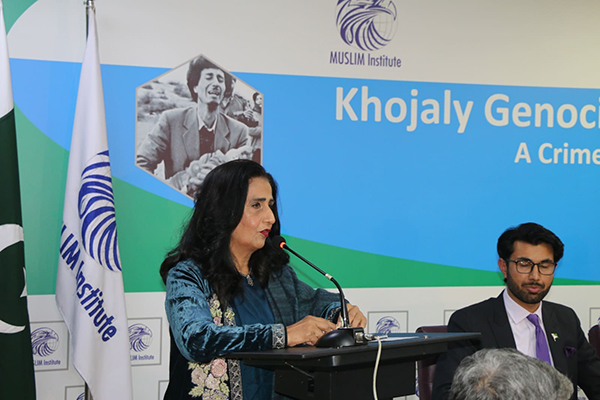
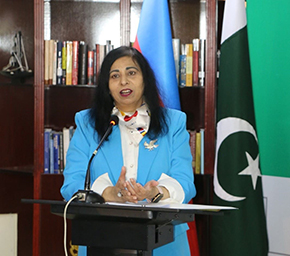
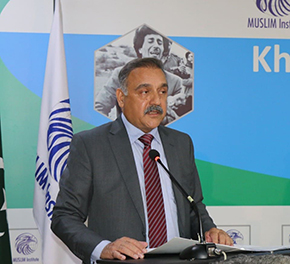
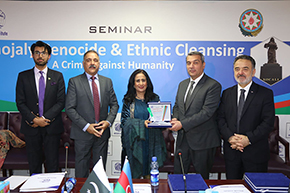
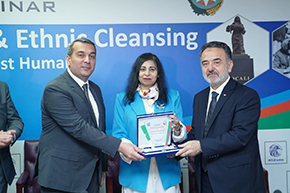
MUSLIM Institute, in collaboration with the Embassy of Azerbaijan, organized a seminar at the National Library of Pakistan, Islamabad, to commemorate the Khojaly Genocide and highlight its lasting impact. The event convened diplomats, scholars, academics, and policymakers to discuss the genocide’s humanitarian consequences and explore pathways to justice and accountability.


VIEW SPEAKERS DETAIL


picture
Remarks by the Speakers
Summary of the remarks shared by the dignitaries is as follows:
On the night of February 25-26, 1992, the town of Khojaly, located in the Nagorno-Karabakh region, became the site of one of the most brutal genocidal acts in modern history. The attack, carried out by Armenian armed forces resulted in the massacre of hundreds of Azerbaijani civilians. The atrocities committed that night are widely recognized as an act of ethnic cleansing, as the attackers systematically targeted the Azerbaijani population in Khojaly with the intent of eradicating them from their ancestral lands.

The brutality of the massacre was staggering—over 600 innocent people were killed, including women, children, and the elderly, while thousands more were injured, displaced, or taken hostage
picture
The surviving victims of the Khojaly Genocide, many of whom endured unimaginable hardships, continue to bear the emotional and physical scars of an atrocity that remains a painful and unresolved tragedy. The massacre serves as a stark reminder of the catastrophic consequences of ethnic violence and hatred.

Its memory endures in the collective consciousness of the Azerbaijani people and the broader international community, urging not only reflection on the past but also a pursuit of justice for the present-day atrocities in Gaza.


picture
 
Muslim world should uphold international moral principles and work towards combating Islamophobia


picture
The Khojaly Genocide is a critical happening in Azerbaijan’s modern history. It symbolizes not only the immense human suffering endured by the Azerbaijani people but also their broader struggle for territorial integrity and the protection of civilian lives in the face of external aggression.

Since the onset of the Karabakh conflict, Azerbaijan has faced repeated military attacks and human rights violations. Thousands of Azerbaijani families were forcibly displaced from their homes in Karabakh and surrounding regions, where their ancestors had lived for centuries. Despite these overwhelming challenges, Azerbaijan has consistently pursued a peaceful resolution to the conflict while affirming its right to defend its territory and protect its citizens. The recognition of the Khojaly Genocide is a crucial step toward achieving justice for the victims and holding the responsible, accountable.

There is a pressing need for justice of such heinous crimes through international legal instruments and institutions. While many instances of genocide have been recognized globally, the international community has often been slow to act when political or strategic interests are at stake.

Like other atrocities, the Khojaly Genocide demands a clear and unequivocal response that prioritizes justice for the victims over political or any other considerations. Acknowledging genocidal acts is not merely about issuing statements of condemnation; it requires concrete action to ensure that such crimes are neither repeated nor go unpunished.

picture
Continued efforts are needed to support the survivors and their families. While recognition is a crucial first step, it must be accompanied by tangible measures to address the ongoing suffering of the victims.

Many survivors still live with the trauma of that night, seeking justice and the return of the remains of their loved ones. Some families continue to search for closure, hoping to give their deceased relatives a dignified burial.
Education plays a crucial role in preventing future genocides and fostering a global culture of tolerance and respect. Without proper education and awareness, the lessons of Khojaly might be lost, leaving future generations unable to fully grasp the devastating impact of ethnic violence.

Preserving the memory of Khojaly is the responsibility of the international community, ensuring that the atrocities committed there are never forgotten. Efforts are needed to raise the awareness of the Khojaly Genocide through diplomatic channels, media campaigns, and educational initiatives.
picture
Cooperation among Azerbaijan, Turkiye, and Pakistan is critical. These nations have long stood in solidarity with Azerbaijan, and their continued support is essential in ensuring that the memory of Khojaly and the struggles of the Azerbaijani people will never be forgotten.

Their cooperation in pursuing justice for Khojaly sends a strong message to the international community: ethnic violence and genocide must not be tolerated, and we must all work together to ensure a future where peace, dignity, and human rights are protected for all people, regardless of their ethnicity, religion, or nationality.
 
 
picture
 
OIC must become more effective in addressing critical issues such as the Gaza genocide, the Kashmir dispute, the Cyprus issue, and the Khojaly genocide.


picture
 
 
picture
 
Bir kardeş sağında, biri solunda,
Tutarız gücü kolunda.
Kardeş meşalesi yanar yolunda,
Yaşa, çok yaşa, can Azerbaycan!


Turkiye, Pakistan, and Azerbaijan stand together in unity and brotherhood.

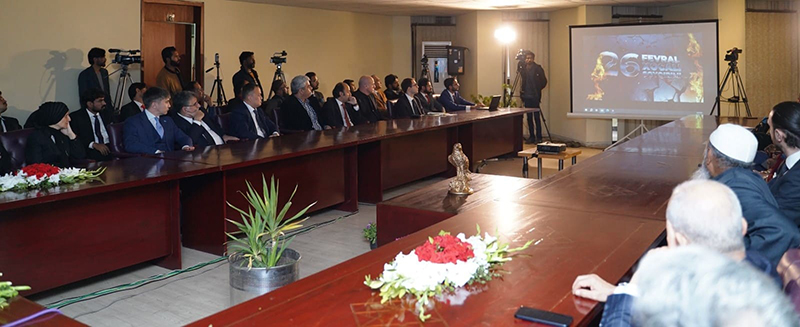
At the end of the seminar interactive session was also held and participants observed a moment of silence to honor the victims of the Khojaly Genocide.
Interactive Session
The Organisation of Islamic Cooperation (OIC) was founded to safeguard Muslim interests worldwide. It plays a crucial role in strengthening the position of the Muslim world.

The OIC has passed numerous resolutions and maintains an international presence through forums such as the Jammu and Kashmir Contact Group and the Armenian Aggression Contact Group. It serves as a platform for Muslim nations to exchange views and express solidarity with one another.

However, the OIC must become more effective in addressing critical issues such as the Gaza genocide, the Kashmir dispute, the Cyprus issue, and the Khojaly genocide. Muslim countries must enhance their global relevance by actively engaging with international organizations.
picture
picture
picture
picture
picture
Additionally, the Muslim world should uphold international moral principles and work towards combating Islamophobia.

There are promising prospects for cooperation between Azerbaijan, Turkey, and Pakistan in fostering a prosperous future. Strengthening this trilateral partnership is essential, and various mechanisms exist at different levels to facilitate this collaboration.
picture
picture
picture
 
Follow Us
 
facebook twitter linkedin YouTube
 
© 2025. All rights reserved.
Unsubscribe - Webversion - Download PDF - Send to a friend