| |
Earlier, the BJP had tightened its grip over more than
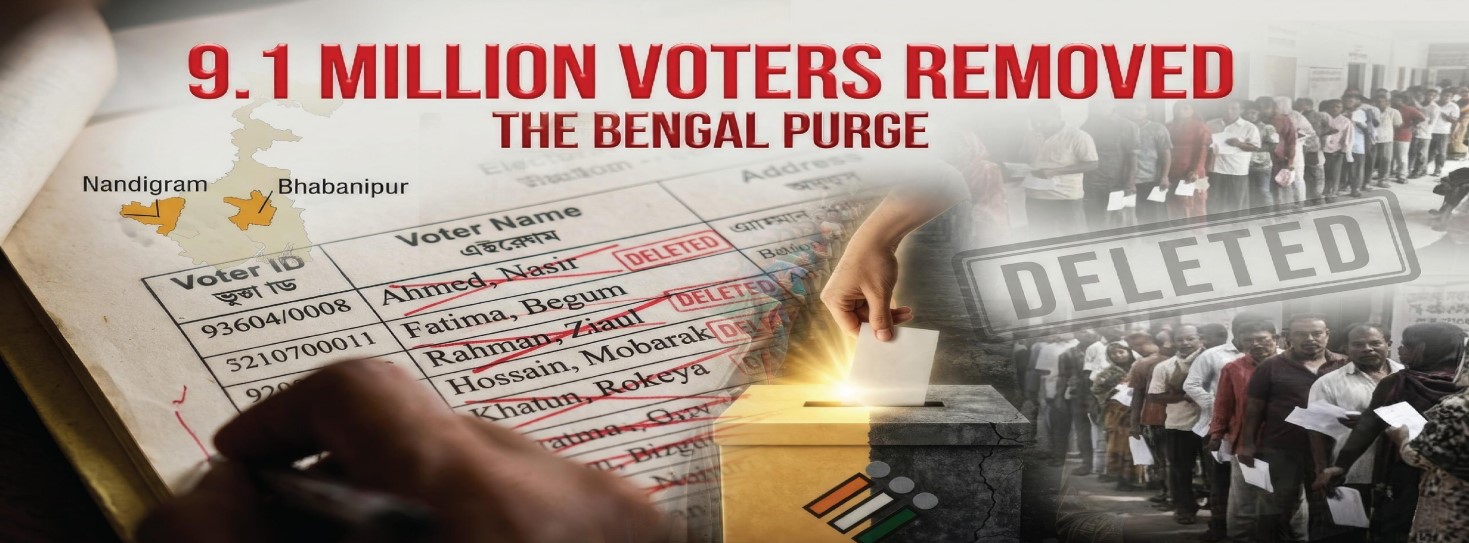
9 states, including Bihar and West Bengal and three union territories. Data showed that districts with a Muslim majority were mostly affected by the ECI decision, which shows the trend followed by the BJP to marginalise Muslims from the political process. Analysis by the SABAR Institute
reveals a stark communal disparity in voter deletions within the key constituencies of Nandigram and Bhabanipur, both of which were contested by BJP leader Suvendu Adhikari.
Despite Muslims constituting only 25 per cent of the population in
Nandigram, they accounted for over
95 per cent of all names removed from the electoral rolls; similarly, in Bhabanipur, where the community makes up 20 per cent of the
population, they represented a disproportionate 40 per cent of total deletions. These
figures suggest a targeted administrative focus on minority voters in
battleground areas, particularly in Bhabanipur, where Adhikari was directly challenging Mamata Banerjee.
Like other parts of India, in West Bengal Muslims and other minorities
have been
frequently relegated to the status of "second-class citizens," as they are forced to navigate a
landscape where their national loyalty is
perpetually questioned through the lens of religious identity.
There is
maximum possibility that under new set up institutionalized marginalisation will be reflected in policies, as visible in the recent
administrative purges of voter rolls and the rhetoric of "outsiders," create a structural barrier that limits minority access to equal representation and social security.
Human Rights Watch, in its 2026 report, cited bias by opposition politicians and rights activists, including allegations of voter fraud and
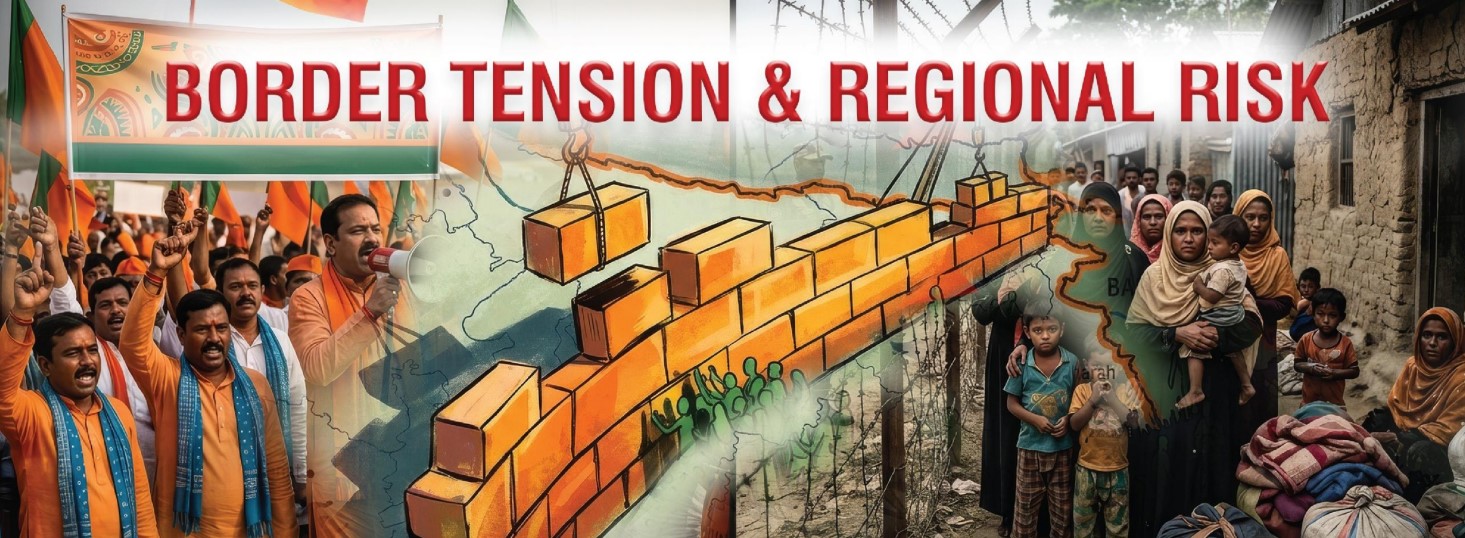
inconsistencies in electoral rolls.Modi and the BJP leadership, during the election campaign in West Bengal, often termed the Muslims of West Bengal as “infiltrators” (ghuspethiye), a pejorative term that largely refers to so-called illegal Muslim Bangladeshi immigrants. This rhetoric has been a consistent feature of the BJP's political strategy, aiming to stoke fears about demographic changes and to consolidate Hindu votes by portraying Muslims as a threat to national security and cultural identity. The use of such divisive language has contributed to an atmosphere of hostility and discrimination against Muslims in West Bengal, further marginalizing the community and exacerbating communal tensions in the region.
Home Minister Amit Shah projected this process as a means to “purify” the electoral roll. The BJP leadership framed the TMC as an "anti-Hindu" party. By
highlighting isolated local skirmishes to attain Hindu sentiments, Modi termed the state as becoming a "laboratory for
radicalization" where Hindus were being systematically intimidated and forced to flee their homes.
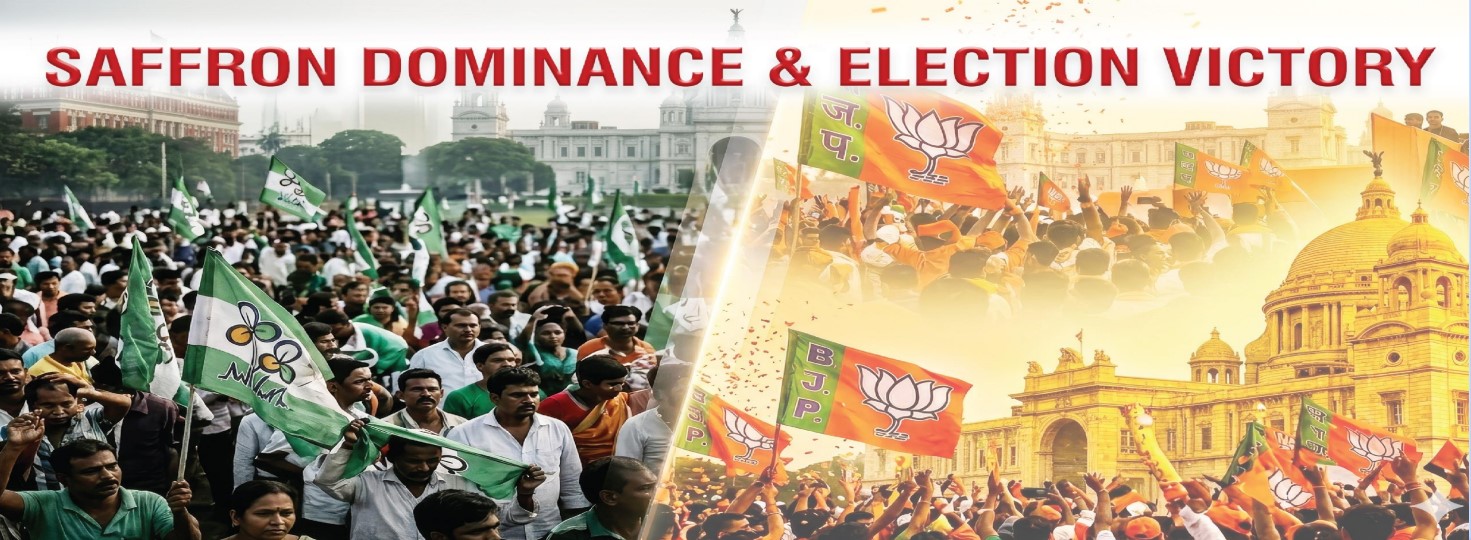
As of May 2026, following the latest round of assembly elections, the BJP-led National Democratic Alliance (NDA) has reached a peak of political dominance across India's federal structure. The BJP-led NDA Alliance currently governs 21 states out of 28 states and 1 union territory (Puducherry), covering approximately 72% of India’s land area.
Now, if we turn towards indicating patterns of rise of islamophobia in JP-led states since 2014, we have seen a sharp rise in incidents under state sponsorship targeting Muslims through Cow Vigilantism (97% of these reported incidents occurring after May 2014), Anti-Conversion Laws (Uttar Pradesh, Haryana, Madhya Pradesh, Karnataka legislations on Love Jihad), Bulldozer Justice, particularly in Uttar Pradesh, has been identified by Human Rights Watch as a method of punishing Muslim communities and Social and
Economic Boycotts of Muslims. In these states, incidents of hate speech against
Muslim have also risen.
|
|
| |
|
|
|